

Cyber Civil Defense Summit: East
August 20, 2026, at Kean University in Union, New Jersey
| Time | Event | Description | |
|---|---|---|---|
| 8:00am – 9:00am | Registration, Breakfast, and Networking | ||
| 9:00am – 9:25am | Opening Ceremonies and Welcome Sarah Powazek, Program Director of Public Interest Cybersecurity, UC Berkeley CLTC Michael Geraghty, State CISO and Director of the NJ Cybersecurity and Communications Integration Cell (NJCCIC) Stanley Mierzwa, Director and Lecturer, Kean University Center for CyberSecurity |
||
| 9:25am – 10:10am | Mainstage Panel: Cyber Civil Defense in Times of Conflict | As CISA staffing drops and SLCGP funding faces an uncertain future, state and local technology leaders are increasingly responsible for protecting community infrastructure (schools, cities, utilities, and nonprofits) from a range of international digital threats. In this panel, senior government leaders discuss how their whole-of-state cybersecurity strategies are changing in response to global conflicts in Israel, Iran, and Ukraine. Panelists will discuss the most effective regional actions for defending communities against digital threats and how volunteers, industry, and civil society can best support these efforts. Panelists: Michaela Lee, Acting Chief Cyber Officer for New York State Michael Geraghty, CISO and Director of the NJ Cybersecurity and Communications Integration Cell (NJCCIC) Bernice Russell-Bond, State Chief Information Security Officer (SCISO) for the N.C. Department of Information Technology Michael Watson, State Chief Information Officer (CIO), Virginia Information Technology Agency (VITA) Moderator: Nicole Tisdale, Senior Advisor to the Cybersecurity Programs for Aspen Digital |
|
| 10:10am – 10:25am | Coffee & Networking Break | ||
| 10:25 – 10:30am | Cyber Civil Defense and Take9 | Craig Newmark, Founder of Craigslist and Craig Newmark Philanthropies | |
| 10:30am – 11:20am | Mainstage Panel: State Cyber Policy in the East | Amid shifting headwinds in U.S. federal leadership on cyber defense and cyber capacity building, states are increasingly taking up the mantle of cybersecurity leadership. State legislatures have become the primary engines of cybersecurity policymaking in the U.S., with legislatures proposing hundreds and enacting dozens of cybersecurity-related bills every year. This panel will convene state lawmakers who are introducing and passing cybersecurity legislation aimed at strengthening cyber defense across local government and critical infrastructure. The discussion will explore the cybersecurity policy priorities currently under consideration, the motivations behind them, and the challenges and obstacles to their passage—highlighting lessons across states to learn from one another to drive forward meaningful progress. Panelists: Rep. Julia McCabe (D), Maine House of Representatives Sen. Katie Fry Hester (D), Maryland State Senate Rep. Donald McFarlane (R), New Hampshire House of Representatives Assemblyman Chris Tully (D), New Jersey General Assembly Moderator: Shannon Pierson, Senior Fellow, UC Berkeley CLTC |
|
| 11:30am – 12:30pm | Breakout Sessions (A) | Breakout #1 (Room 207) Optimizing Shared Services: Expanding Access to Cybersecurity Across Communities | Local governments, K-12 schools, water utilities, nonprofits, and other community organizations are often expected to manage cybersecurity risks without the budget, staff, or procurement capacity to do so effectively on their own. This panel will explore how states are using shared services to make cybersecurity support more affordable and accessible for both state agencies and resource-constrained local partners. Panelists will discuss promising models emerging across Eastern states, including pooled or state-supported cyber insurance, statewide security operations center (SOC) services, managed detection and response, endpoint protection, vulnerability scanning, and other shared tools and services. The conversation will examine which models are working, where they fall short, and how states can build sustainable programs that help under-resourced organizations close the cybersecurity resource gap. Panelists: Rob Beach, Director of Information Technology, City of Palm Bay Troy Romanowski, Cybersecurity Legal Analyst, NJCCIC Michael Watson, State Chief Information Officer (CIO), Virginia Information Technology Agency (VITA) Meghan Cook, NYS Division of Homeland Security & Emergency Services Moderator: Bree Fowler, Freelance Cybersecurity & Tech Journalist |
| Breakout #2 (Room 208): Cyber Volunteering in the East | As cyber threats continue to target local governments, small businesses, and nonprofit organizations, community cybersecurity volunteering programs are emerging as a critical line of defense at the grassroots level. Across the eastern United States, dedicated volunteers are stepping in to build cyber resilience where resources are often thin and professional support is out of reach. This panel will convene leaders of community cyber volunteering programs who are doing the hard work of standing up and sustaining these efforts on the ground. The discussion will explore the tangible impact these programs are delivering to local communities, the logistical and organizational challenges of keeping them running, and the strategies behind building volunteer pipelines that last — highlighting lessons across programs to learn from one another and drive meaningful, community-level change. Panelists: Xavier Huber, Global Community Manager, Protect NGO Dr. Ersin Uzun, Executive Director of the ESL Global Cybersecurity Institute (ESL-GCI), Rochester Institute of Technology Jack W. Davidson, Professor & Director, Cyber Defense Program, University of Virginia Major Jeremy O’Mard, Commander, Maryland Defense Force 256th Cyber Defense Unit Moderator: Grace Menna, Senior Fellow, UC Berkeley CLTC |
||
| 12:30pm – 1:30pm | Lunch | ||
| 1:40pm – 2:40pm | Breakout Sessions (B) | Breakout #1 (Room 207) The Role of Third-Party Vendors in Community Cybersecurity: Making Secure Products the Default | Schools, local governments, and other pieces of community infrastructure depend on third-party technology vendors to deliver essential public services. Yet, many lack the cybersecurity staff, expertise, and resources needed to identify and resolve the risks introduced by the third-party products they use. This panel will examine the practicalities and potential pitfalls of shifting more of the burden of cyber defense from resource-constrained community organizations onto industry. Panelists will also examine the policy levers available in the state and local procurement process and industry collaboration to encourage vendors to adopt stronger security practices and make products secure-by-design, as well as enabling protective features by default or proactively testing for vulnerabilities. Panelists: Leah McGrath, Executive Director, GovRamp Maria Thompson, Public Sector Executive Strategist, Wiz Valecia Stocchetti, Senior Cybersecurity Engineer, CIS Controls Greg Hall, Field CTO & Distinguished Strategic Advisor – Federal, Okta Moderator: Mike Klein, Senior Director for Preparedness and Response, Institute for Security and Technology |
| Breakout #2 (Room 208): Building the Next Generation of the Cybersecurity Workforce Amid AI Advances | Escalating experience requirements for “entry-level” cybersecurity positions are making it increasingly difficult for fresh graduates to break into the industry. Advances in artificial intelligence (AI) may change the skills employers are looking for and the jobs available to early-career job seekers. This panel will examine ongoing efforts in Eastern states to develop local cybersecurity talent and create opportunities for students to gain hands-on experience. This panel will discuss which models—such as internships, apprenticeships, cybersecurity clinics, and more—are proving most effective in helping students land their first jobs, and how those programs are adapting to address the impacts of AI technology. The conversation will also feature perspectives from students and career advisors on the barriers facing entry-level candidates, as well as from state and local leaders on the difficulties of recruiting and retaining talent in public service careers. Panelists: Meghan Martinez, Director, Cyber Range Programs & Higher Education, CyberTrust Massachusetts Mary McHale, Senior Career Advisor, UC Berkeley School of Information Brad Phillips, Executive Director of the Maryland Association of Community Colleges Moderator: Dr. Nada Madkour, Director, CLTC AI Security Initiative (AISI) |
||
| 2:55pm – 3:45pm | Mainstage Panel: Sustaining Local Cyber Defense for Counties, Cities, Towns, and Tribes in Lean Times | This panel will examine how cities, counties, towns, and tribes have used federal and state grant programs—including the State and Local Cybersecurity Grant Program (SLCGP) and Tribal Cybersecurity Grant Program—to improve cybersecurity and resilience in their communities. Panelists will discuss the needs these investments addressed, the capabilities they helped build, and how local leaders approached grant funding with long-term sustainability in mind. The conversation will also explore how local and tribal governments successfully work with state partners to address cyber threats, close capacity gaps, and advance shared resilience goals, and how those relationships can be specifically improved. The discussion will also explore how local governments can sustain new programs, services, and capabilities if grant funding is reduced, remains short-term, or ends altogether. Panelists: Damian Oravez, CISO, City of Philadelphia Walt Boraczek, Chief Technology Officer (CTO), County of Hudson Nina Johnson, Seminole County Sheriff’s Office and Co-Chair of the Central Florida Cyber Coalition Jason Skeen, IT Security Manager, Mecklenburg County, North Carolina LTC Ashley Holzmann, Research Scientist, Army Cyber Institute at West Point Moderator: Drenan Dudley, Head of State, Local, Tribal, and Territorial Government Partnerships and Senior Advisor for Global Cyber Policy at zScaler |
|
| 3:45pm – 4:15pm | Action Workshop | ||
| 4:15pm – 4:30pm | Workshop Share-Out & Closing Remarks Ann Cleaveland, Executive Director, UC Berkeley CLTC Sarah Powazek, Program Director of Public Interest Cybersecurity, UC Berkeley CLTC |
||
| 4:30pm – 6:30pm | Networking Reception | ||
SPEAKERS

Senior Advisor to the Cybersecurity Programs
Aspen Digital
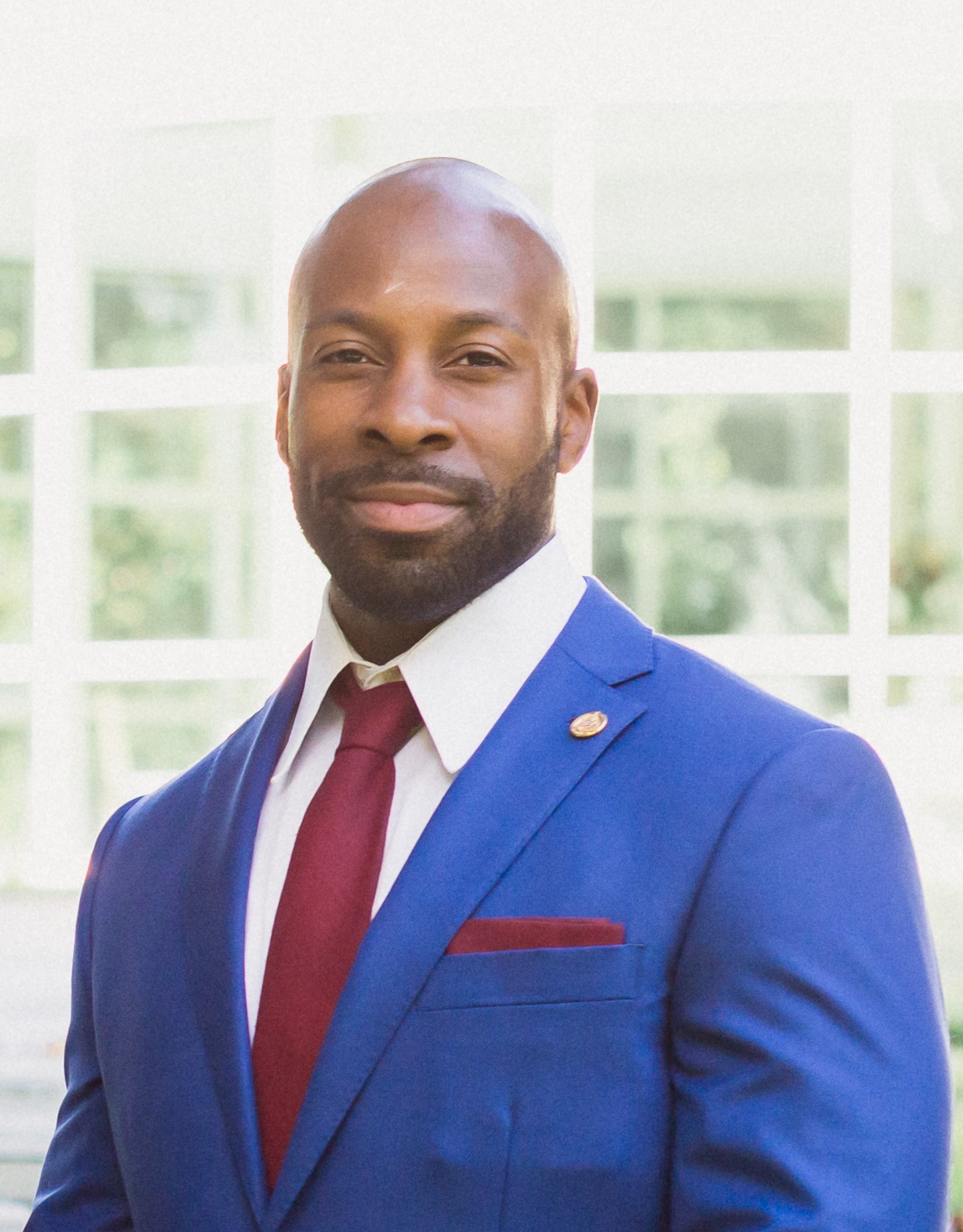
Commander
Maryland Defense Force 256th Cyber Defense Unit
Global Community Manager
Protect.ngo

Senior Fellow
UC Berkeley CLTC
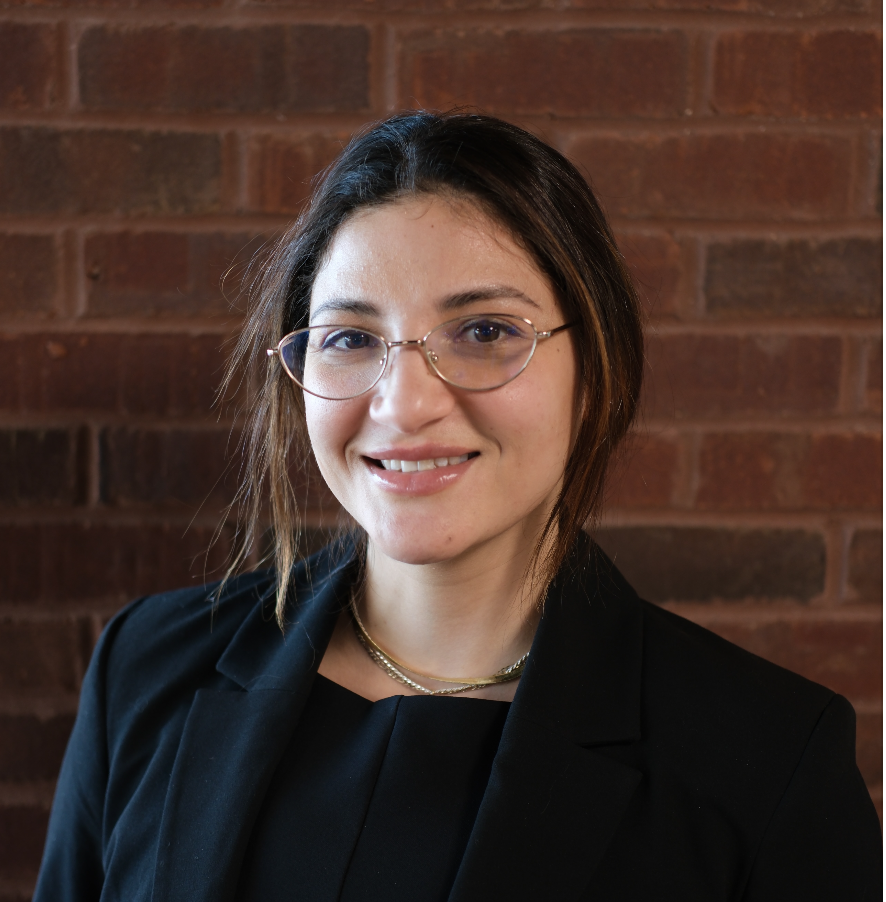
Director, AI Security Initiative
UC Berkeley CLTC

Senior Fellow
UC Berkeley CLTC
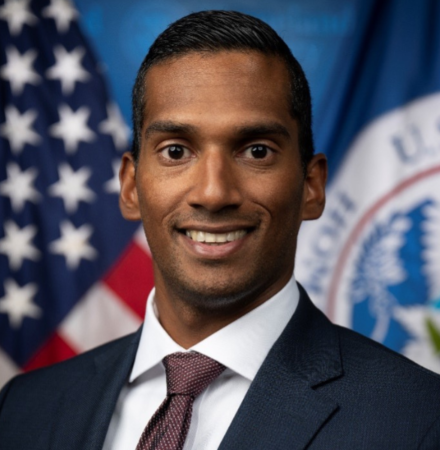
Head of APAC
Cape

Freelance Cybersecurity and Tech Journalist
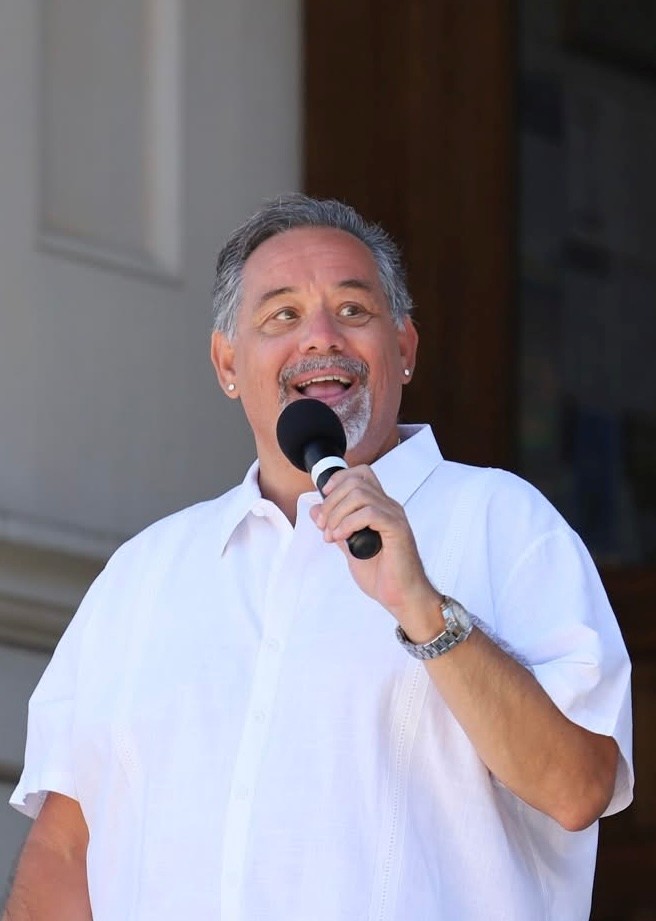
Chief Technology Officer (CTO), County of Hudson
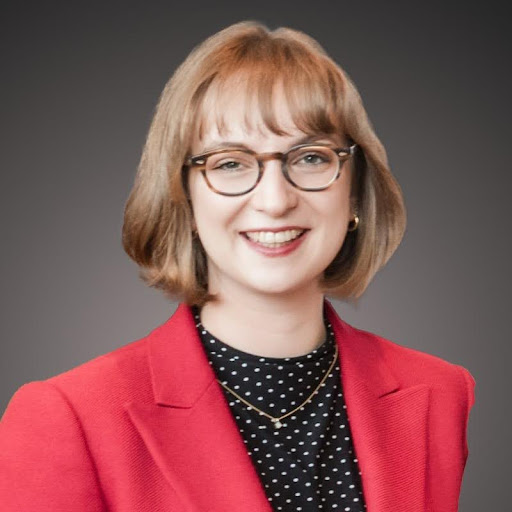
Public Interest Cybersecurity Program Director, UC Berkeley CLTC

IT Security Manager, Mecklenburg County, North Carolina

Senior Cybersecurity Engineer, CIS Controls

Acting Chief Cyber Officer
New York State

Founder
Craigslist and Craig Newmark Philanthropies

Executive Director of the ESL Global Cybersecurity Institute (ESL-GCI)
Rochester Institute of Technology

Representative
Maine House of Representatives

State Chief Information Security Officer (SCISO)
N.C. Department of Information Technology
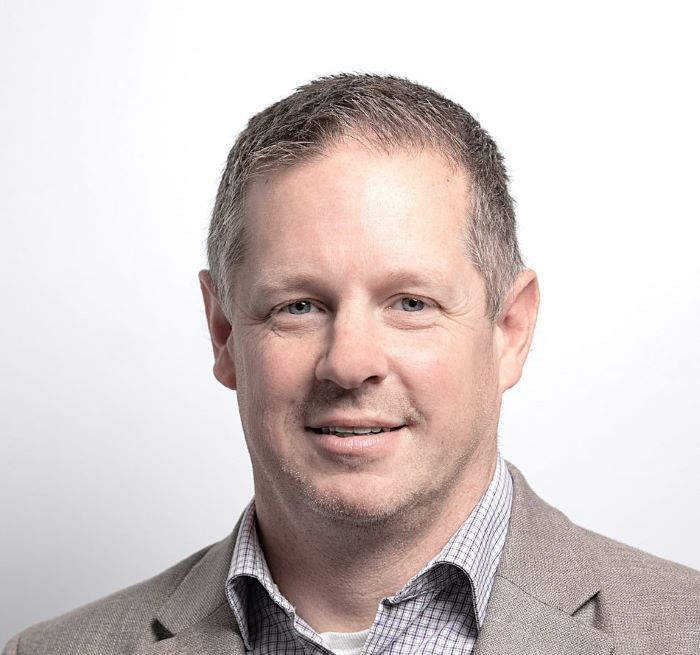
CISO
City of Philadelphia
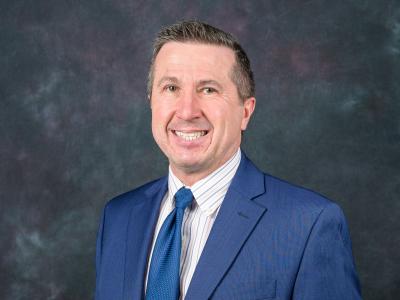
Director and Lecturer
Kean University Center for CyberSecurity

Senior Career Advisor
UC Berkeley School of Information
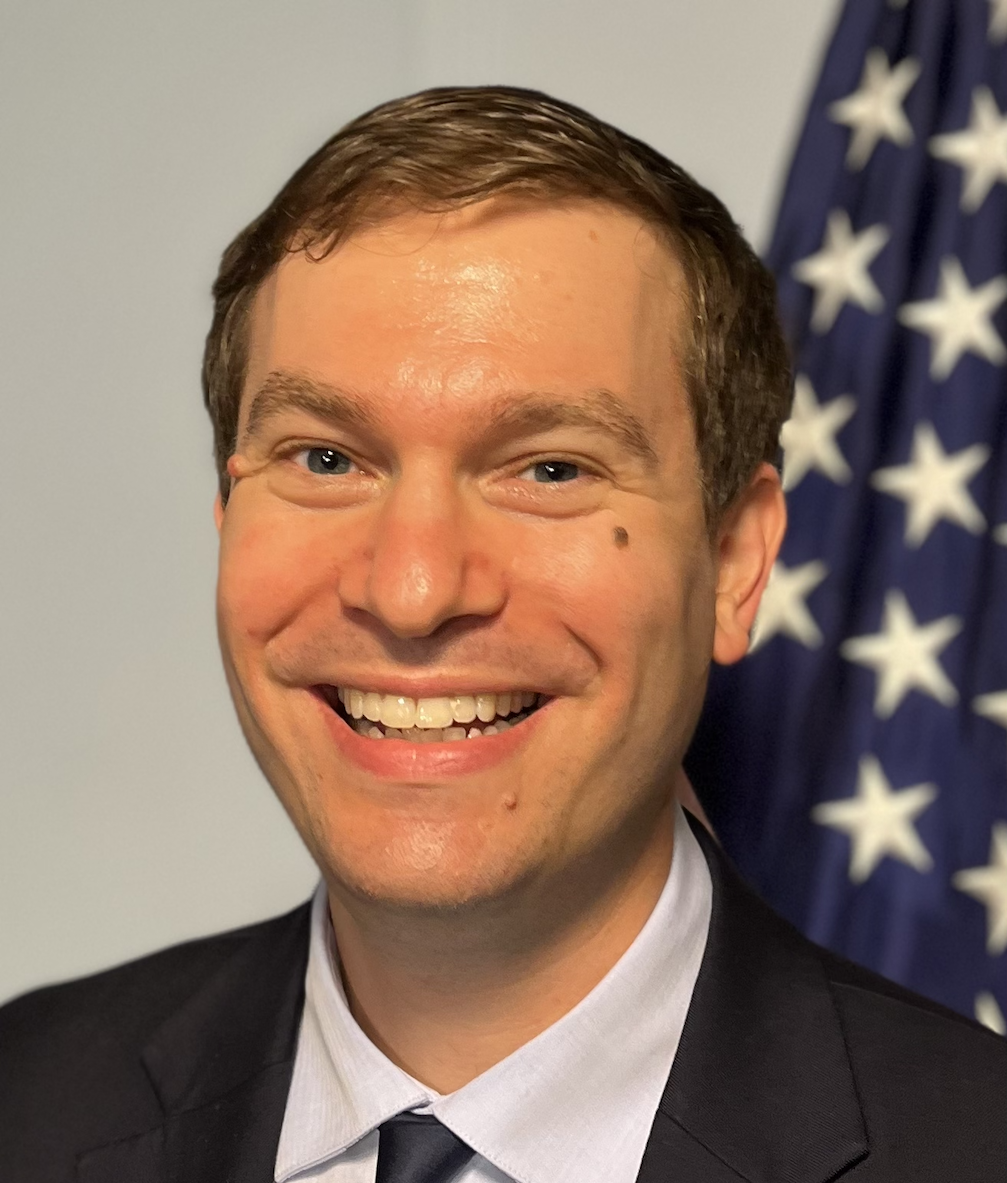
Senior Director for Preparedness and Response, Institute for Security and Technology

Seminole County Sheriff’s Office and Co-Chair of the Central Florida Cyber Coalition
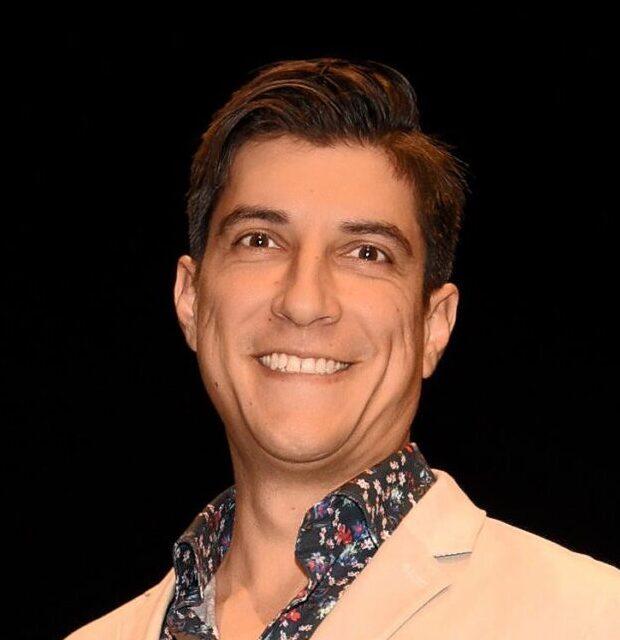
Research Scientist, Army Cyber Institute at West Point
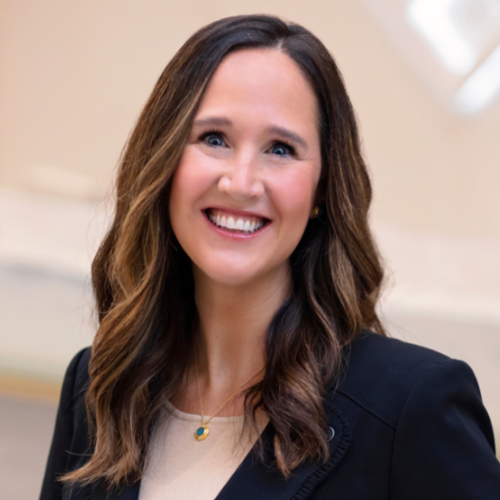
Executive Director, GovRamp
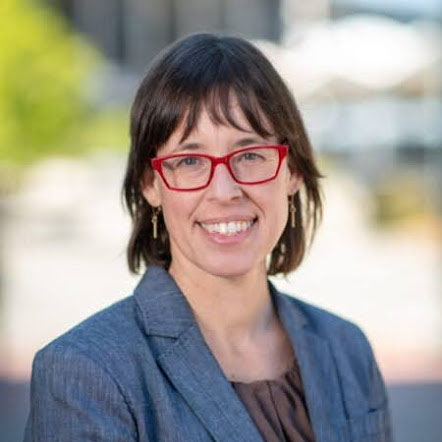
Executive Director, UC Berkeley CLTC
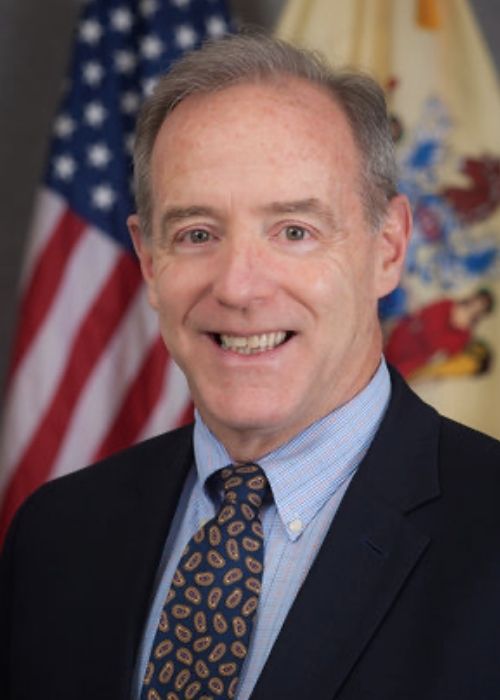
CISO and Director of the NJ Cybersecurity and Communications Integration Cell (NJCCIC)
State of New Jersey

Senator
Maryland Senate
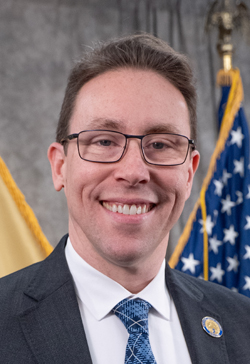
Deputy Majority Leader – District 38, State of New Jersey

Director
Cyber Range Programs & Higher Education
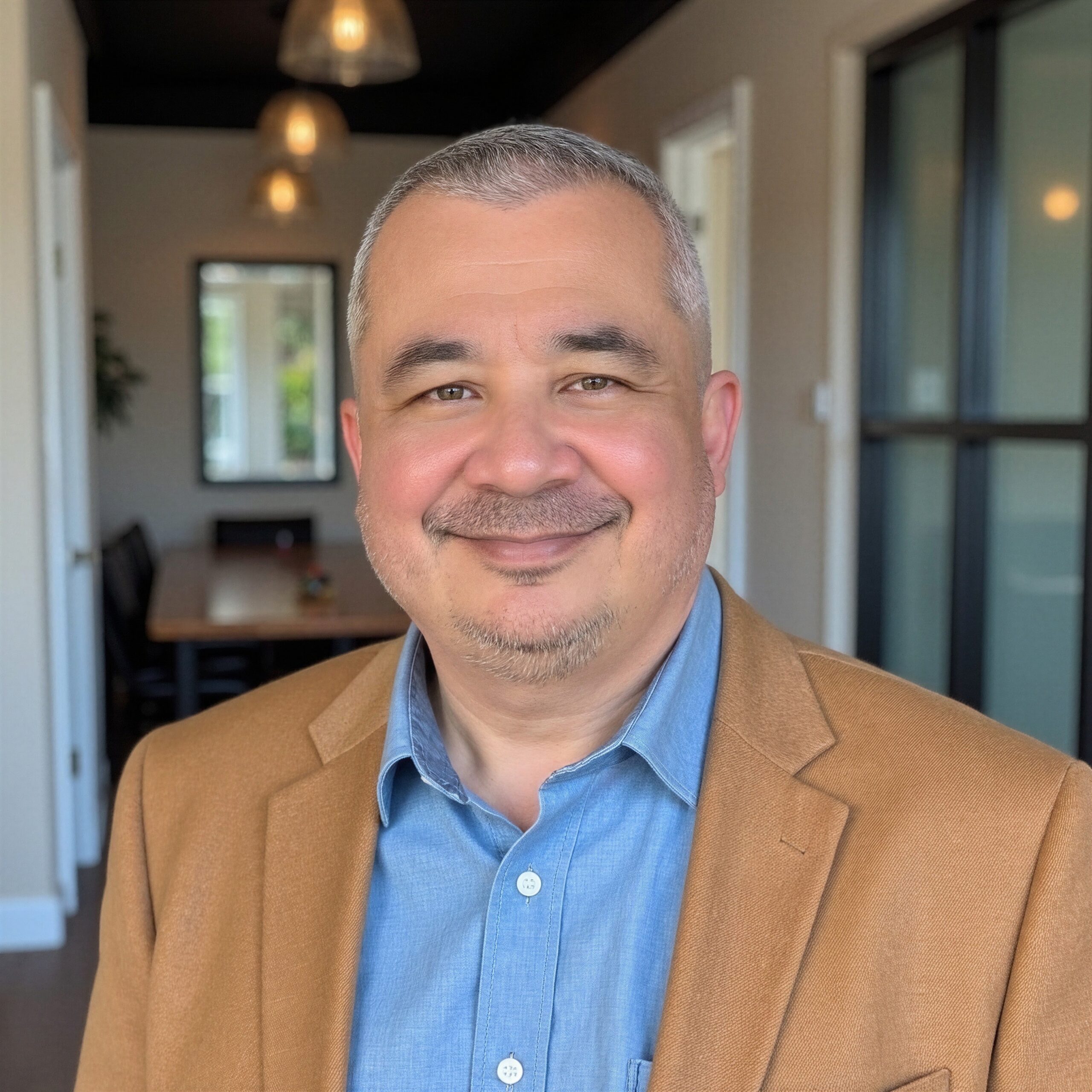
Director of Information Technology
City of Palm Bay

State Representative
General Court of NH
Member, House Judiciary Committee

Professor & Director, Cyber Defense Program; Leader, University of Virginia Cyber Navigator Internship Program
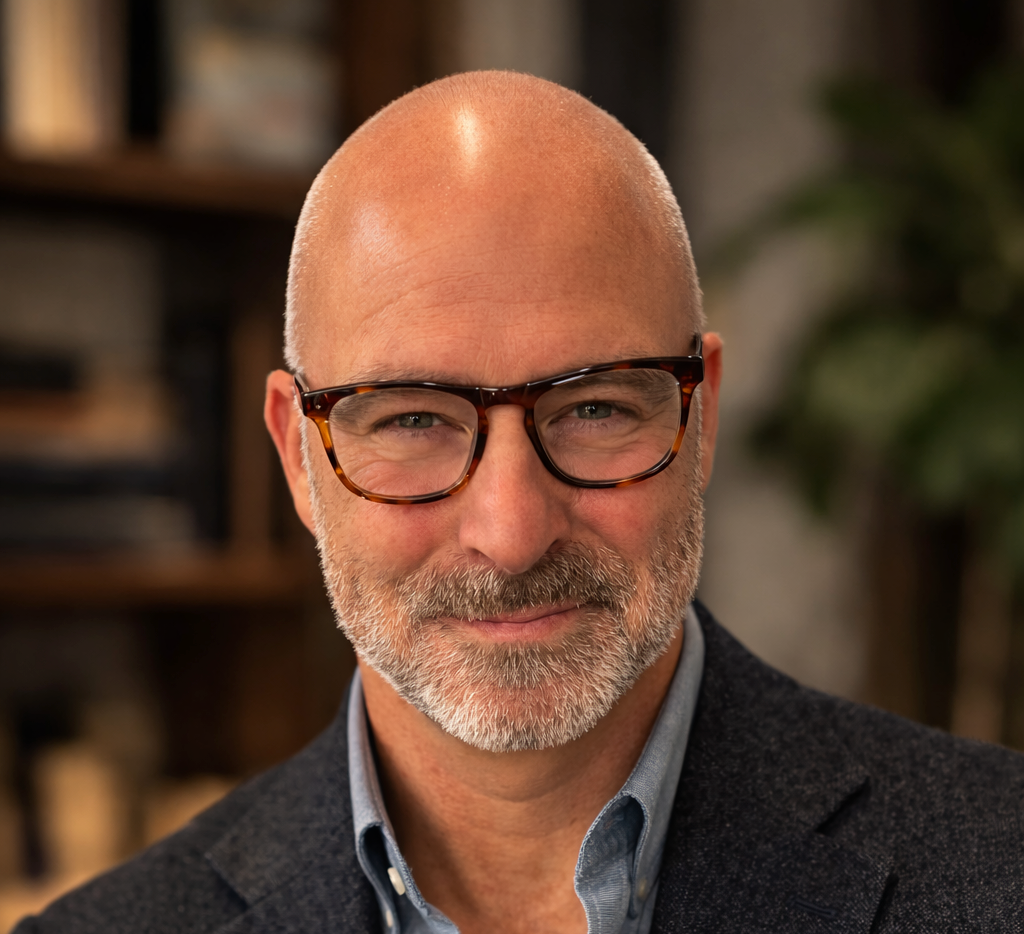
Executive Director, Maryland Association of Community Colleges

Director, Cyber Incident Response Team & Assistant Director, Office of Counter Terrorism, NYS Division of Homeland Security & Emergency Services
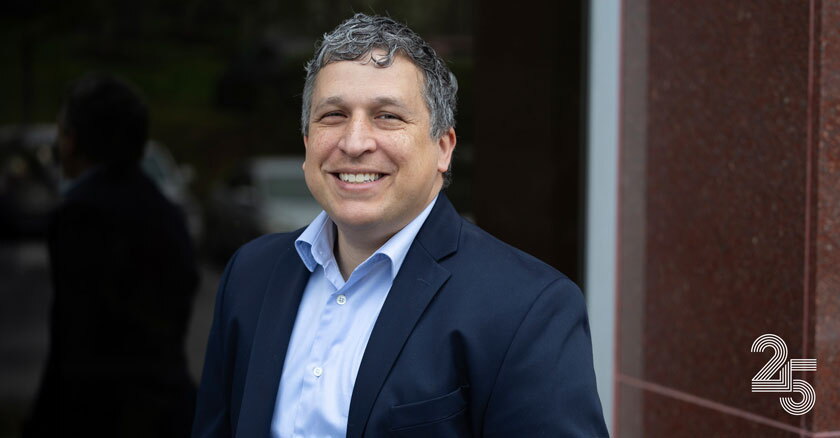
Director, Cyber Incident Response Team & Assistant Director, Office of Counter Terrorism, NYS Division of Homeland Security & Emergency Services
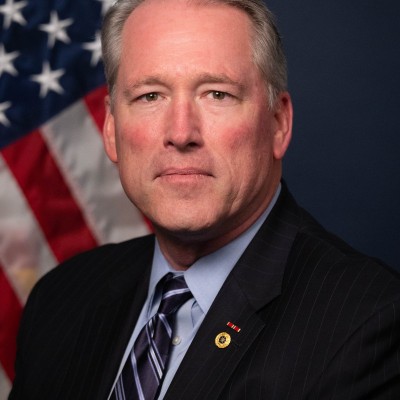
Field CTO & Distinguished Strategic Advisor – Federal, Okta
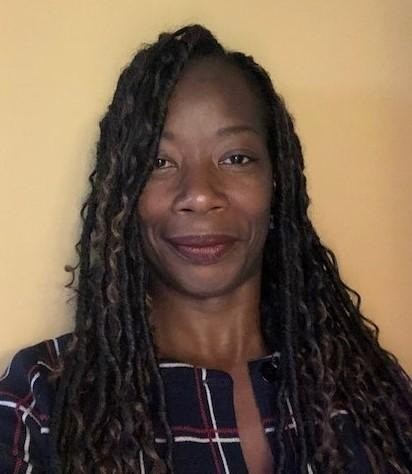
Public Sector Executive Strategist, Wiz
Thank you to our reception sponsors!